
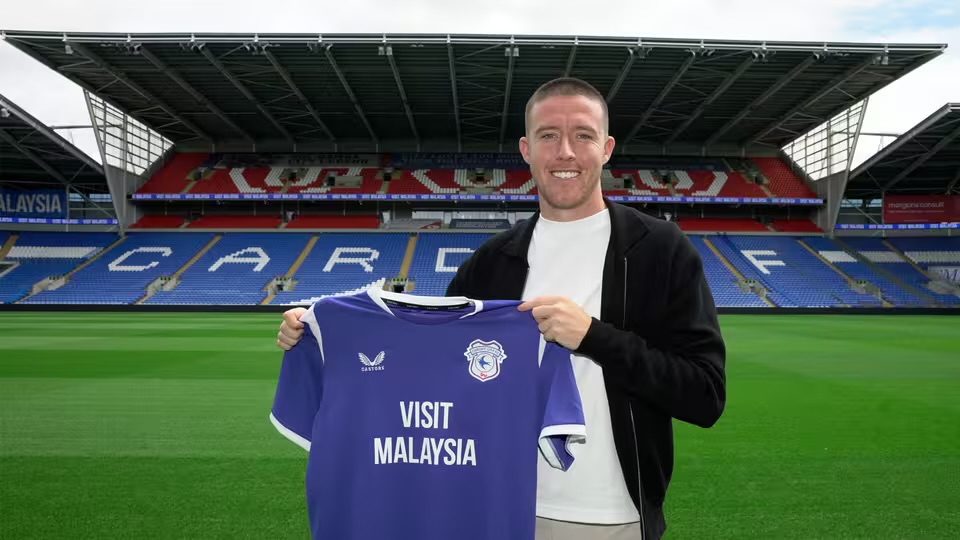
Transfer deadline day was no fun and not pretty. It’s a day reserved for clubs that have not got their shit together and the expectation was that Cardiff were going to be busy, which tells its own story. There were no incoming though and only a few departures, so maybe Cardiff were already better prepared than some realised. That was not the general consensus though, as accusations and claims were made by many regarding blame and general incompetence.
When you dig beneath the resentment and current accepted wisdom, there are a few things that can be said for certain.
Firstly, in terms of transfer activity in this window, Cardiff would be in the relegation places with their four signings and only Blackburn made less with their three. Four clubs (Bolton, Bristol City, Middlesbrough and Portsmouth) brought in 12 players, but as we well know, quantity does not always equate to quality. Despite this, Cardiff are firmly mid-table in terms of their actual spend, which is probably where they’re aiming and hoping to finish.
Another aspect to consider is that there are restrictions on what Cardiff can spend. When people see rivals throwing cash around and enviously regard it as ambition, what they’re in fact raging against is their greater revenue. Cardiff are not backed by Disney like Wrexham and rarely generate proceeds from player sales, so their hands are tied. The reality is that if you very basically run the numbers based on the parameters in place, Cardiff’s outlay is pretty much what they were able to spend.
Embed from Getty ImagesThere was probably some wriggle room, which would explain Brian Barry-Murphy’s claim that he wanted a few more in. Chances are there were probably certain targets identified that fitted the strict footballing and financial criteria, but they evidently failed to attract or secure any of them.
A lot of the post-window vitriol was aimed at the Cardiff board, which has built up over years of resentment, but it increasingly appears that Barry-Murphy has the trust of not just supporters, but also those in charge at the club and he generally appears to get what he wants. Some don’t believe it when he says he’s picky and favours a small squad, interpreting his claims as covering for institutional ineptitude, so trust for some only extends as far as existing prejudices.
It should also be said that, if you include third choice goalkeeper Matthew Turner and prodigy Robert Tankiewicz, once everyone is fit, Cardiff have 24 players to choose from, excluding any other emerging prospects. What people have most enjoyed about Cardiff’s transformation under Barry-Murphy is the way academy graduates have been utilised, with 33% of all minutes last season coming from players produced by the club. The same people are often the ones demanding more signings, which will in turn block the pathway for the next crop of talented youngsters.
The players Cardiff did sign addressed the glaring weaknesses in the group. Nathan Trott had an excellent season on loan and securing him was a priority. We’ve had enough ropey goalkeepers in the past to know that when you find one that fits, you do whatever you can to keep them, even if that eats up a decent chunk of your budget. Calum Scanlon was also tried and trusted as loan cover at left back.
Embed from Getty ImagesJack Moylan was one of the outstanding players in League One last year and essentially replaced the departed Omari Kellyman, while Krystian Bielik has added versatility, Championship experience and calm. It may be the bare minimum in terms of reinforcement, but you can be sure that all four have the BBM seal of approval and they have all already had a positive impact this season.
I’m trying to be as rational and positive as possible here because I sense the mood amongst Cardiff supporters off the back of this window is more negative than it probably deserves to be, but I understand safety in numbers, concerns relating to those already injured and how thin the squad may be stretched. Mixed messages regarding transfers have certainly not helped either, but communication has never been Cardiff’s strength and on this occasion, loose lips sunk the ship.
Cardiff were relegated from this division with a squad that was a patchwork of several different failed mangers, but Barry-Murphy, already the club’s longest-serving manager since Neil Warnock, managed to trim the fat and fashion a younger, hungrier collective. I guess it was inevitable that he would maintain that battle-proven model, but rightly or wrongly, the disappointment in Cardiff’s transfer dealings is palpable. It feels like the goodwill built up has been eroded and fear has already replaced optimism. It’s a shame because there remains a lot to like in this group, but the reality is that it was always going to take a few windows to become competitive at this level again. Hopefully there is enough success and patience to enable that transition to take place over time.